
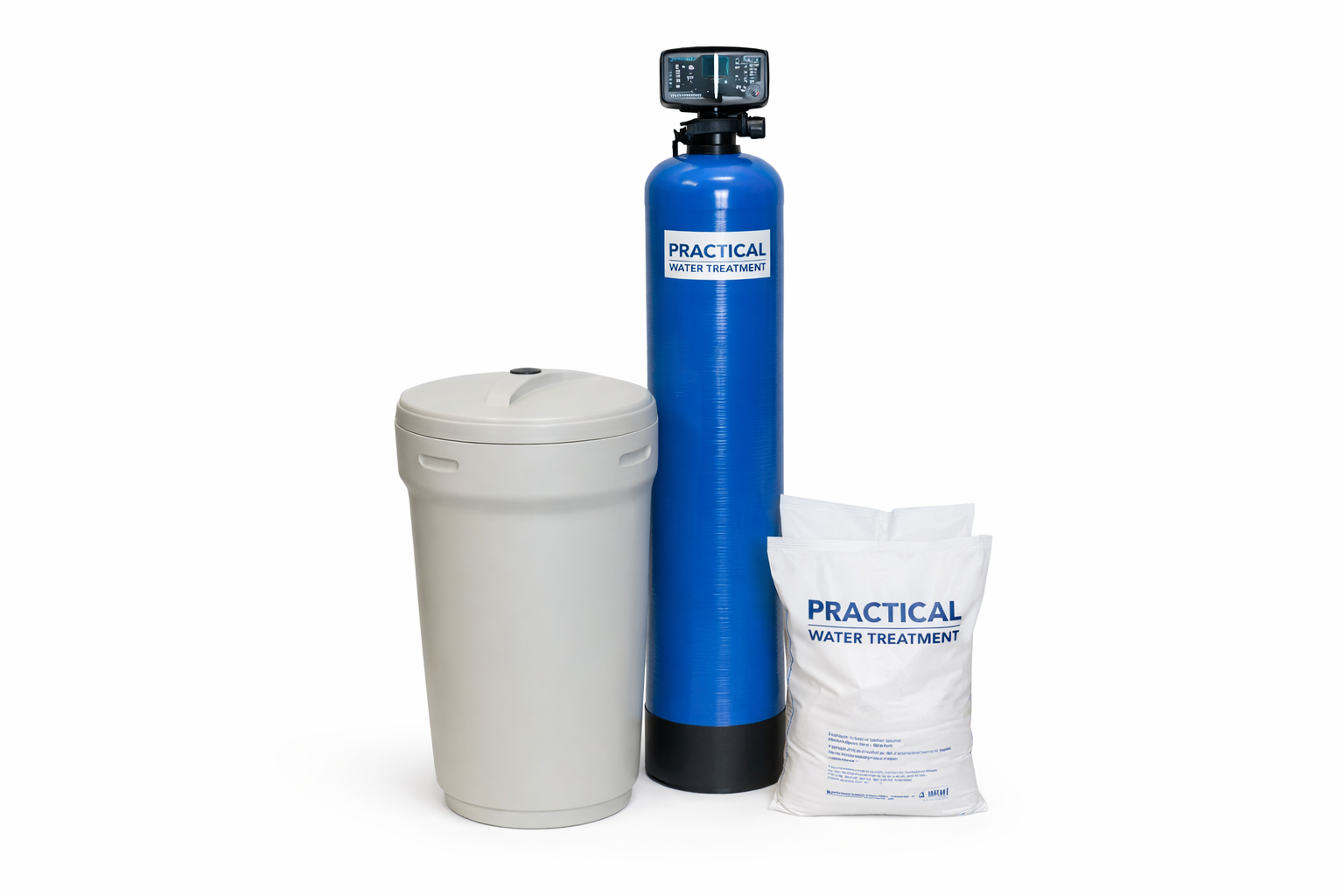
Water Treatment: How to Calculate and Design Softener Systems
Water softening is a critical process in water treatment, especially in regions such as Sudan, where groundwater and Nile River water often contain high levels of hardness minerals. This guide provides simple, practical steps to help technicians understand, calculate, and design an efficient softener system.
1. What is Water Hardness?
Water hardness is the concentration of dissolved minerals in water, mainly the following:
- Calcium (Ca²⁺)
- Magnesium (Mg²⁺)
These minerals originate from soil and rocks (such as limestone) and are the primary cause of scale formation in pipes and equipment.
2. Impact of Hard Water
a. Residential Use (Bathroom & Kitchen)
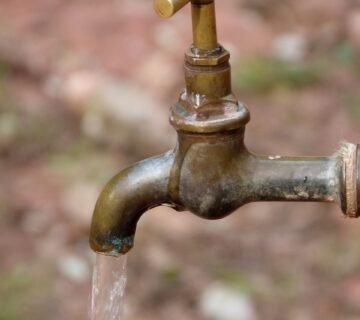
- White scale deposits on taps and showerheads
- Reduced soap efficiency (poor foaming)
- Spots and stains on dishes and glassware
- Damage to water heaters and washing machines
b. Industrial Use
Hard water can cause serious operational issues, including:
- Scale formation inside boilers
- Reduced heat transfer efficiency
- Increased energy and fuel consumption
- Damage to pipelines, valves, and equipment
Industries requiring low-hardness water:
- Food and beverage production
- Pharmaceutical manufacturing
- Textile industry
- Steam boiler systems
3. Hardness-Level Classification
| Hardness Level | ppm (mg/L as CaCO₃) |
|---|---|
| Soft Water | 0 – 75 |
| Moderately Hard | 75 – 150 |
| Hard Water | 150 – 300 |
| Very Hard Water | > 300 |
4. Main Components of a Softener Unit
A standard softener system includes:
- FRP Vessel: Contains the resin media
- Control Head (Valve): Manual or automatic; controls operation and regeneration
- Brine Tank (Salt Tank): Stores salt used for regeneration
- Resin (Media): Performs ion exchange to remove hardness
- Distributor System: Ensures proper water distribution inside the vessel
5. Resin Types
| Resin Type | Function | Application | Remarks |
|---|---|---|---|
| Cation Resin (Na⁺ form) | Removes Ca²⁺ & Mg²⁺ | Water softening | Most common type |
| Strong Acid Cation (SAC) | High-efficiency exchange | Industrial softeners | Operates over a wide pH range |
| Weak Acid Cation (WAC) | Removes temporary hardness | Pre-treatment systems | Lower salt consumption |
| Mixed Bed Resin | Final polishing | High-purity systems | Not typical for softeners |
6. Ideal Salt Specification
- Type: Sodium Chloride (NaCl)
- Purity: ≥ 99%
- Form: Tablets or coarse crystals
- Low impurities (free from sand and clay)
Note: Poor-quality salt can damage the resin and reduce system efficiency.
7. Manual vs Automatic Control Head
| Feature | Manual Head | Automatic Head |
|---|---|---|
| Operation | Manual | Fully automatic |
| Efficiency | Lower | Higher |
| Labor Required | High | Low |
| Accuracy | Operator-dependent | Precise & programmable |
Recommendation: Automatic control heads are preferred for better performance, accuracy, and ease of operation.
8. Design Parameters to Consider
Before designing a softener system, collect the following data:
- Water hardness (ppm)
- Daily water consumption (m³/day)
- Peak flow rate (m³/hr)
- Iron content (if present)
- Operating hours per day
- Desired regeneration frequency
9. How to Calculate a Softener System (Step-by-Step)
Step 1: Understand Units
- Hardness: ppm (mg/L as CaCO₃)
- Flow rate: m³/hr
- Volume: m³/day
- Resin capacity: g CaCO₃ per liter or grains per cubic foot
Step 2: Calculate Total Hardness Load
Hardness Load (g/day) = Hardness (ppm) × Flow (m³/day)
Example:
- Hardness = 300 ppm
- Flow = 10 m³/day
Hardness Load = 300 × 10 = 3000 g/day
Step 3: Determine Resin Capacity
Typical resin capacity:
- 1 liter of resin removes approximately 40–50 g of hardness
Step 4: Calculate Required Resin Volume
Resin Volume (L) = Total Hardness Load ÷ Resin Capacity
Example:
3000 ÷ 50 = 60 liters
Step 5: Select FRP Vessel Size
| Vessel Size | Resin Capacity |
|---|---|
| 8 × 54 | 25 L |
| 10 × 54 | 50 L |
| 13 × 54 | 75 L |
| 14 × 65 | 100 L |
Selection Rule: Always choose the next larger size.
Step 6: Check Flow Rate
Ensure service flow rate does not exceed:
- 20–30 Bed Volumes per hour (BV/hr)
Step 7: Calculate Salt Requirement
- Typical salt dose: 100–150 g per liter of resin
Example:
60 L resin → 6–9 kg salt per regeneration
10. Regeneration Process
Regeneration restores the resin’s capacity using salt.
Steps:
- Backwash
- Brine injection
- Slow rinse
- Fast rinse
Frequency:
- Typically, every 1–3 days, depending on usage
- Automatically controlled in modern systems
11. Resin Lifetime
- Average lifespan: 3 to 5 years
Depends on:
- Water quality
- Iron content
- Proper regeneration practices
- Salt quality
12. Duplex Softener System
Components:
- Two FRP vessels
- Automatic control valves
- Shared brine tank
Operation:
- One unit operates in service mode
- The second unit is on standby or in regeneration
- When the first unit is exhausted, the second unit takes over automatically
Advantages:
- Continuous water supply
- No downtime
- Ideal for hospitals, factories, and hotels
Conclusion
Designing a softener system becomes straightforward when following these steps:
- Measure hardness and flow rate
- Calculate the hardness load
- Select the correct resin volume
- Choose an appropriate vessel size
- Ensure proper regeneration setup
With proper design and maintenance, a softener system significantly improves water quality and protects equipment in both residential and industrial applications.

لا يوجد تعليق